
OUYA CHEMICAL / PRODUCTS
Toluene
Chemical expertise. Lasting partnerships.
AROMATIC CHEMICALS
Toluene
Contact the company to confirm specifications, packaging, availability and technical documentation.
Enquire about this product ↗Product details
Translated from the Chinese original because an English toluene detail page was not captured. These historical descriptions and specifications require company review before publication.
Solubility
Insoluble in water; miscible with most organic solvents, including benzene, ethanol, ether and chloroform.
Chemical properties
Chemically reactive and similar to benzene. It undergoes oxidation, sulfonation, nitration, disproportionation and side-chain chlorination. Toluene can be oxidized to benzoic acid.
Applications and uses
Toluene is mainly produced from crude oil through petrochemical processing. It serves as a solvent for oils, resins, natural and synthetic rubber, coal tar, asphalt, cellulose acetate, cellulose paints and varnishes, photographic plate-making materials and inks. It is also a raw material for organic synthesis, including benzoyl chloride and related compounds, saccharin, trinitrotoluene and many dyes, and is a component of aviation and automotive gasoline.
The original site describes toluene as volatile and relatively unreactive in the environment. Air movement distributes it widely; rainfall and evaporation recirculate it between air and water, and biological and microbial oxidation can eventually degrade it. The site cites average urban air concentrations of 112.5–150 μg/m³, mainly associated with gasoline-related emissions and industrial solvent losses. The source does not identify the underlying study.
Toluene is widely used as a solvent and high-octane gasoline additive, and as an organic chemical feedstock. The original site also discusses dealkylation to benzene and disproportionation to xylene. Toluene-derived intermediates are used in dyes, pharmaceuticals, pesticides, explosives, additives, fragrances and synthetic materials.
Side-chain chlorination yields benzyl chloride, benzal chloride and benzotrichloride and derivatives such as benzyl alcohol, benzaldehyde and benzoyl chloride, used in pharmaceuticals, pesticides, dyes and fragrance synthesis. Ring-chlorinated products are intermediates for pesticides, pharmaceuticals and dyes. Oxidation yields benzoic acid, used mainly as its sodium salt for food preservation and as an organic synthesis intermediate.
Sulfonated intermediates include p-toluenesulfonic acid and its sodium salt, CLT acid, toluene-2,4-disulfonic acid, benzaldehyde-2,4-disulfonic acid and toluenesulfonyl chloride. They are used in detergent additives, fertilizer anti-caking additives, organic pigments, pharmaceuticals and dyes. Nitration-derived intermediates are used in polyurethane products, dyes, organic pigments, rubber additives, pharmaceuticals and explosives.
Quality standard listed on the original site
GB/T 2284-2009
| Property | Specification | ||
| Superior grade | First grade | Qualified grade | |
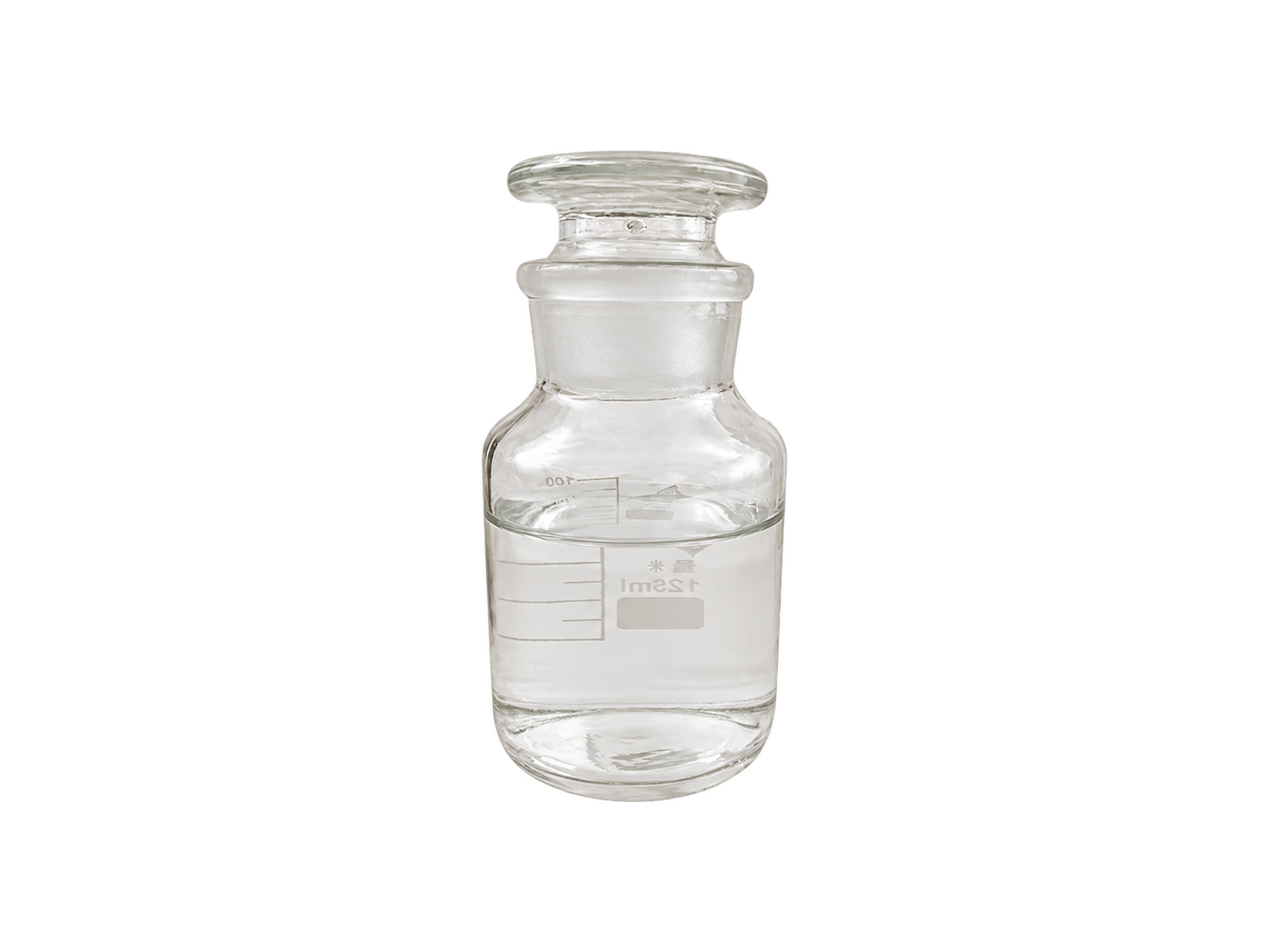
| Appearance | Clear liquid without sediment or suspended matter | ||
| Colour (platinum–cobalt) Maximum | 20# | ||
| Density (20°C)/(g/cm³) | 0.864~0.868 | 0.861~0.870 | |
| Distillation range / °C Maximum Atmospheric pressure 101 325 Pa (including 110.6°C) | - | 1.0 | 2.0 |
| Acid-wash colour (standard colour solution)不深于 | 0.15 | 0.20 | 0.25 |
| Benzene (mass fraction) % Maximum | 0.10 | - | - |
| Non-aromatics (mass fraction) % Maximum | 1.2 | - | - |
| C8 aromatics (mass fraction) % Maximum | 0.10 | - | - |
| Total sulfur / (mg/kg) Maximum | 2 | 150 | - |
| Bromine value / (g/100mL) Maximum | - | - | 0.2 |
| Water | No visible insoluble water at room temperature (18–25°C) | ||
| Note: Do not dispatch if the water layer exceeds 5 mm in a tank car or 1 mm in an iron drum. If retesting after arrival exceeds these limits, the supplier and buyer shall agree on handling. | |||